Wood Blewit Mushroom The Ultimate Guide to Lepista sordida: The Vibrant
Introducing the Wood Blewit: A Colorful Forest Treasure
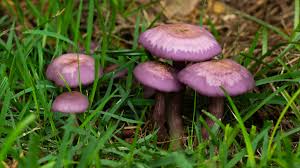
Among the many fascinating fungi in the forest, the wood blewit mushroom (Lepista sordida) stands out with its distinctive lilac-tinged hues and reliable culinary value. Often found in temperate woodlands, gardens, and grassy areas, this mushroom is recognized by foragers and mycologists for its unique coloration and pleasant, mild flavor. As a saprotrophic species, it plays a crucial role in breaking down organic matter, contributing to healthy forest ecosystems. While commonly seen in Europe and North America, it requires careful identification to distinguish it from potentially toxic lookalikes.
Identification: Recognizing Key Characteristics
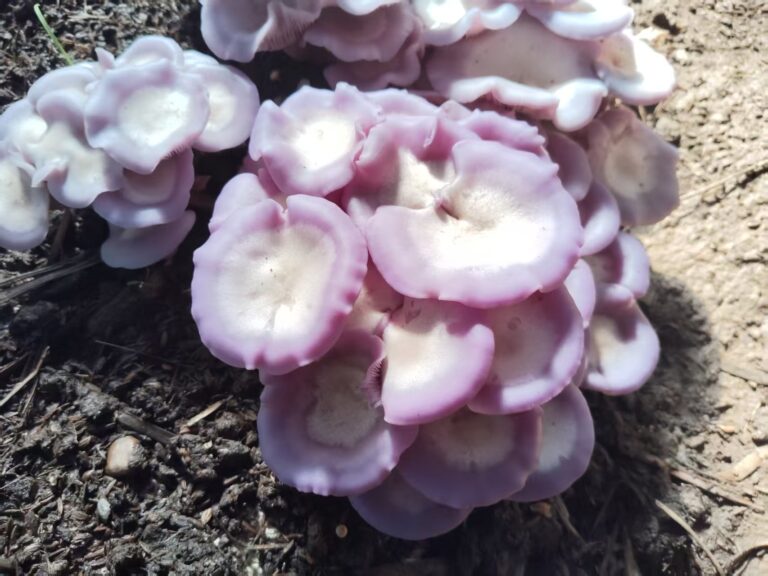
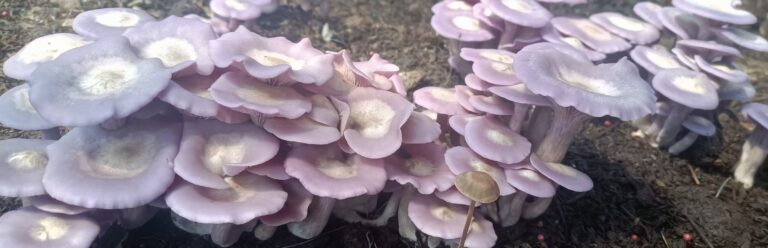
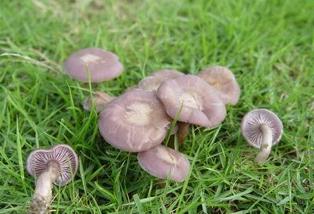
Successful identification of the wood blewit involves examining multiple features. The cap, typically 3-10 cm in diameter, starts convex and flattens with age, often developing a slight depression. Its most notable trait is the color—a mix of lilac, violet, or bluish-gray that fades to tan or buff as the mushroom matures. The gills are crowded, attached or slightly decurrent, and share the cap’s lilac tint when young. The stem is fibrous, often with a paler base, and lacks a ring. A key identification point is its spore print, which is pale pink to buff, helping distinguish it from similar-looking Cortinarius species, which have rusty-brown prints.
Critical Note: While the wood blewit is considered edible when thoroughly cooked, it must be positively identified. Several poisonous mushrooms, including some in the Cortinarius and Entoloma genera, can appear superficially similar. Never consume any wild mushroom without absolute certainty.
Habitat, Season, and Ecological Role
This fungus is commonly found from late summer through autumn and sometimes into early winter, especially in milder climates. It frequently grows in woodland settings, often near deciduous trees, but also appears in parks, gardens, lawns, and along paths. Unlike mycorrhizal species, Lepista sordida is a decomposer, feeding on leaf litter, wood chips, and other plant debris. This makes it a valuable contributor to nutrient cycling. It often fruits in groups, sometimes forming “fairy rings” in grassy areas. For more on mushroom ecology, read our guide to understanding fungal roles in nature.
Culinary Profile: Flavor and Preparation
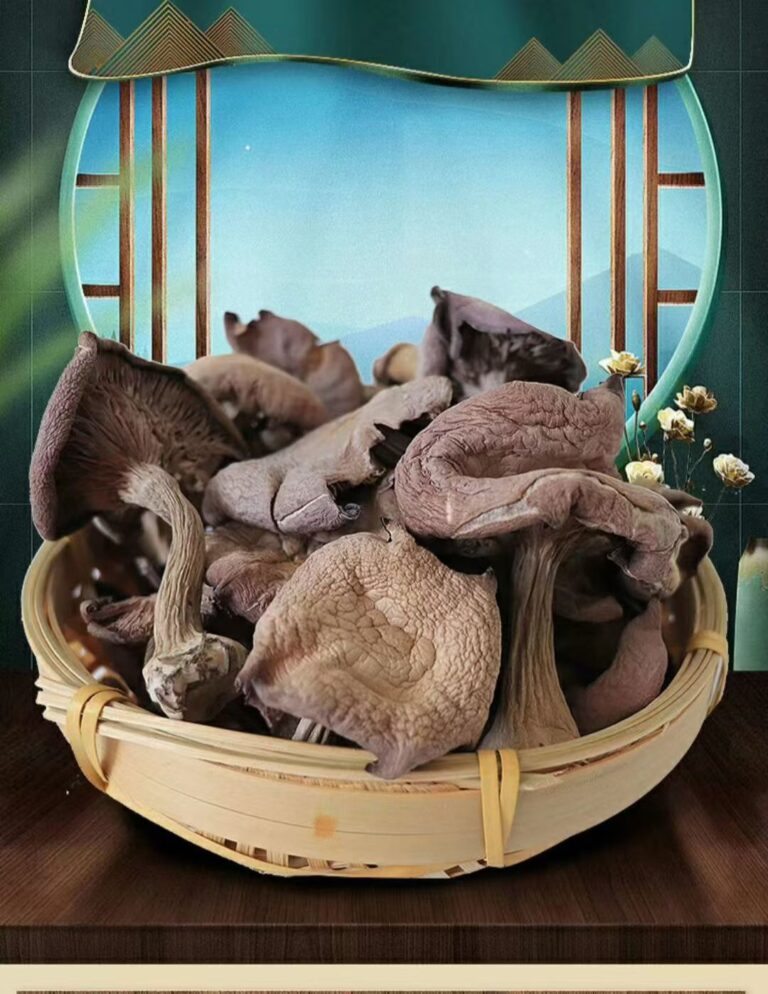
Culinary enthusiasts value the wood blewit for its mild, somewhat earthy flavor and pleasant aroma. The texture is firm, making it suitable for various dishes. Crucially, it must always be cooked before consumption, as it can cause gastrointestinal discomfort when raw. Many recommend an initial par-boiling or sautéing before adding to recipes like soups, stews, stir-fries, or pasta sauces. It pairs well with creamy sauces, herbs, and meats. Some individuals may have a slight sensitivity, so it’s wise to try a small portion first. Discover delicious ways to prepare it in our collection of wild mushroom recipes.
Foraging and Sustainability: Best Practices
For those interested in harvesting, sustainable and ethical practices are paramount. Only collect from clean, unpolluted areas away from roadsides or industrial sites. Use a knife to cut the stem cleanly, minimizing soil disturbance to the mycelium below. Harvest only mature specimens in good condition, leaving younger ones to sporulate. Carry your finds in a breathable basket or mesh bag to allow spore dispersal as you walk. Proper identification is the forager’s number one rule. For safety tips, refer to our article on responsible mushroom foraging.
Potential Lookalikes and Safety Considerations
Correctly distinguishing Lepista sordida from inedible or toxic species is essential. The most common confusion arises with:
- Cortinarius species (e.g., Cortinarius traganus): These often have a cobweb-like veil (cortina) on young specimens and produce a rusty-brown spore print. Some are highly toxic.
- Purple Webcap (Cortinarius violaceus): Rare and protected in some areas, it has a distinct scaly cap and a rusty spore print.
- Lilac Bonnet (Mycena pura): Smaller, with a conical cap and a radish-like odor; edibility is questionable.
- Fibrecap species (Inocybe): These have fibrous, often scaly caps and brown spore prints; many are poisonous.
Taking a spore print is a definitive and simple step for safe identification.
Conclusion: A Rewarding Find for the Informed
The wood blewit mushroom offers a rewarding experience for the careful and knowledgeable forager. Its charming color, role in the ecosystem, and culinary versatility make it a prized find. However, its enjoyment is inextricably linked to a deep respect for accurate identification, sustainable harvesting, and proper preparation. By prioritizing education and caution, enthusiasts can safely appreciate this colorful and valuable member of the fungal kingdom.
Internal Links:
External Links: