The Complete Guide to the Sordid Blewit: Identification, Flavor, and Foraging Tips
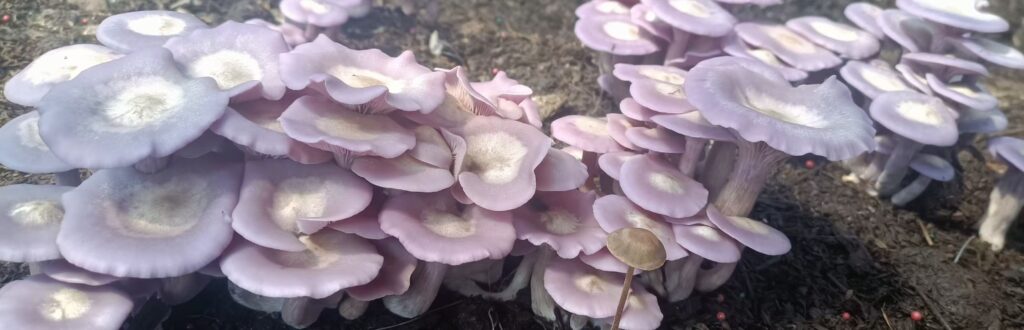
Deep in the damp grasslands and leaf-littered forest edges of late summer and fall, a unique splash of color catches the eye of every seasoned forager. This is the realm of the Sordid Blewit (Lepista sordida), a wild mushroom celebrated for its distinct lilac hues and culinary potential. While it may look delicate, this fungus is a robust and rewarding find for those who know how to identify it correctly.
This comprehensive guide will walk you through everything you need to know about this beautiful fungus, from its key identifying features and preferred habitat to the best ways to prepare it in the kitchen.
What is the Sordid Blewit?
The Sordid Blewit is a member of the Tricholomataceaefamily, known for its characteristic purple coloring. Unlike its larger cousin, the Wood Blewit (Lepista nuda), the Sordid Blewit is generally smaller and paler, with a more fragile structure. It thrives in nutrient-rich soils, often appearing in meadows, along hiking trails, and at the edges of deciduous forests.
Its presence is often a sign of healthy soil ecology, as it plays a vital role in breaking down organic matter. For mushroom hunters, spotting the subtle purple tint of this species is like finding a hidden gem scattered among the browns and greens of the forest floor.
Key Identification Features
Proper identification is the most critical step in foraging. Before you even think about cooking, you must be 100% certain of what you have found. Here are the primary features to look for:
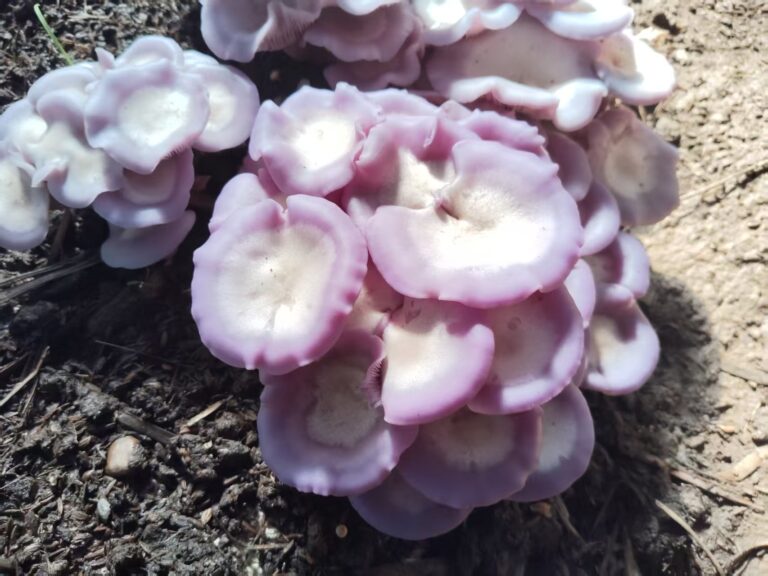
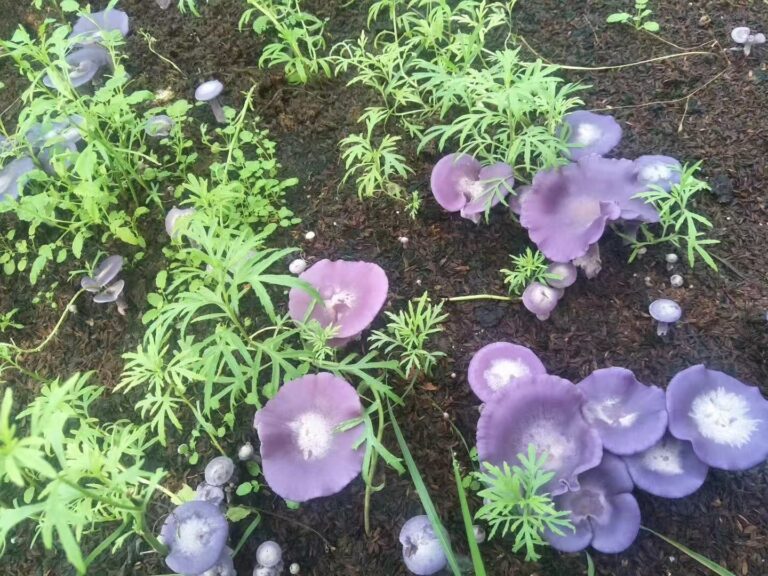
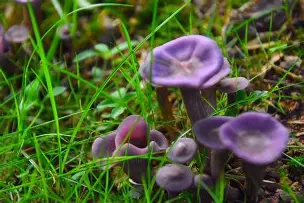
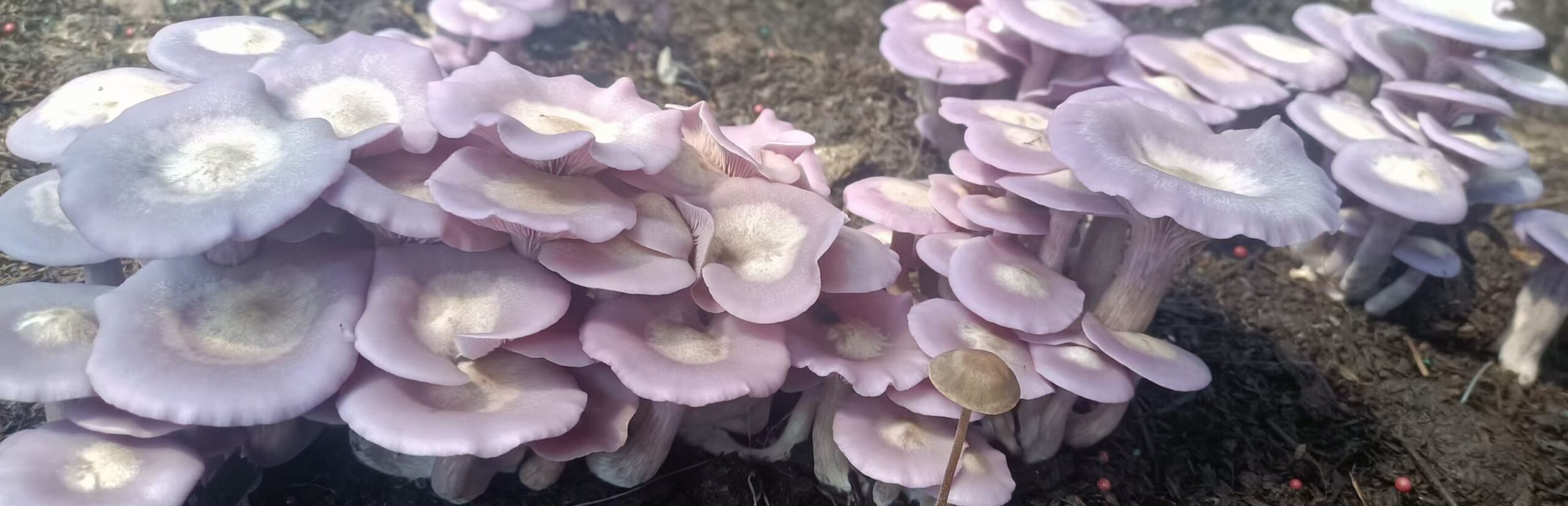
- Cap (Pileus): Typically 2–8 cm in diameter. It starts convex (domed) before flattening out, sometimes developing a shallow central depression. The surface is smooth and moist, ranging in color from pale lilac to a more brownish-purple, often fading towards the center.
- Gills (Lamellae): The gills are decurrent, meaning they run slightly down the length of the stem. They are densely packed and share the same lilac or purplish-pink hue as the cap when young, though they may fade with age.
- Stem (Stipe): Slender and fragile, usually 3–8 cm long. It is solid and tapers towards the base, often displaying the same pale purple tones as the rest of the mushroom.
- Spore Print: This is a crucial identifier. The spore print of the Sordid Blewit is white to pale cream. Always take a spore print if you are unsure.
- Flesh & Smell: The flesh is thin and has a mild, pleasant, or slightly spicy aroma, lacking the strong mealy smell that characterizes some poisonous look-alikes.
Where and When to Find This Mushroom
Timing and location are everything. The Sordid Blewit is a cool-weather fungus.
- Season: Look for it from late August through November, depending on your climate. It fruits abundantly after periods of rain followed by cooler temperatures.
- Habitat: It is saprobic, meaning it feeds on decaying organic material. You will most often find it growing in clusters or “fairy rings” in grassy fields, pastures, and the edges of wooded areas. It particularly loves disturbed ground, such as along the sides of hiking paths.
From Forest to Table: Culinary Uses
Once you have positively identified your harvest, the real fun begins. The Sordid Blewit is considered a good edible mushroom, prized for its subtle flavor.
- Flavor Profile: It has a mild, nutty, and slightly sweet taste that doesn’t overpower other ingredients. The texture is tender yet holds up reasonably well to cooking.
- Preparation: The best method is simple: gently sauté the sliced mushrooms in butter with a bit of garlic and shallots. This enhances their natural sweetness. They are also fantastic in:
- Creamy soups and bisques
- Omelets and frittatas
- Pasta sauces
- Risotto
Pro Tip: Always cook this mushroom thoroughly. While generally safe, some individuals may experience digestive upset if it is eaten raw or undercooked. Start with a small portion the first time you try it.
Important Safety Warning: Avoid the Look-Alikes
Never consume a wild mushroom unless you are absolutely certain of its identity. The Sordid Blewit has several look-alikes, some of which are toxic.
- Entoloma Species (Pink Gills): Many Entolomaspecies (also called “pinkgills”) can look similar but have a pinkish spore print and often a mealy or unpleasant odor. Some are seriously poisonous.
- Clitocybe Species: Certain Clitocybespecies can be deadly, such as the aptly named “Funeral Bell” (Galerina marginata), which can grow in similar habitats. Always check the spore print—if it’s brown, do not eat it.
To support your identification journey, we highly recommend using the comprehensive resources available at Mushroom Observer, a fantastic community-driven database for tracking and identifying fungal species.