A Comprehensive Guide to Purple Flower Face Mushroom: Cultivation Techniques and Pest Management
Introduction
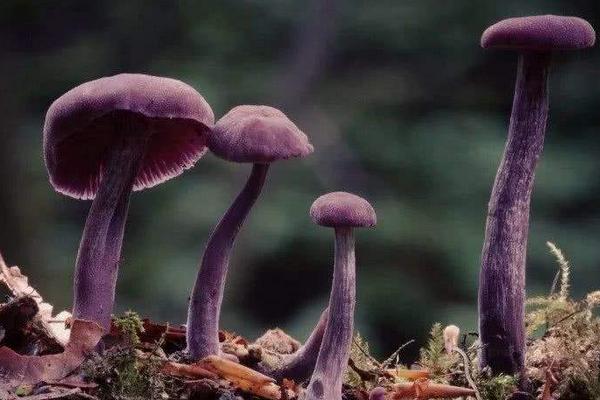
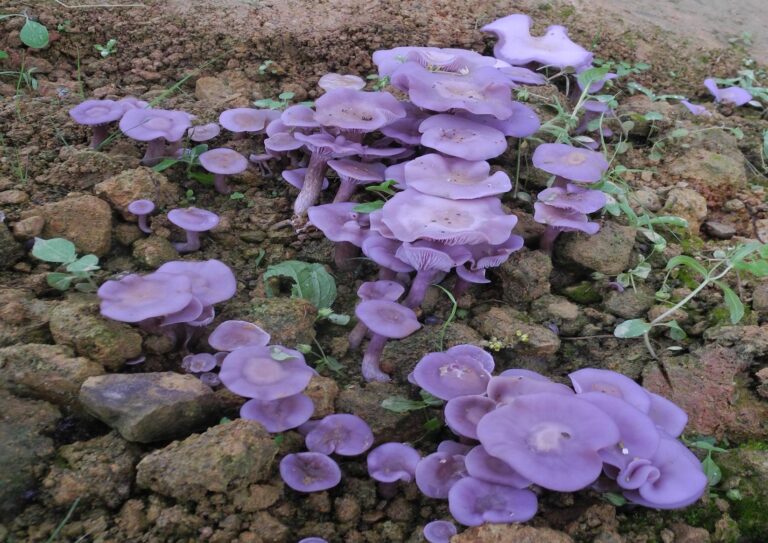
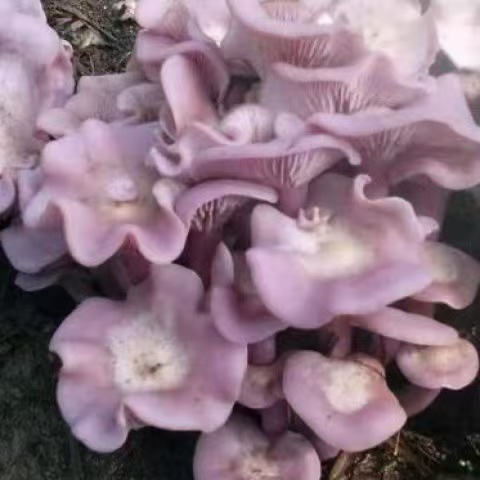
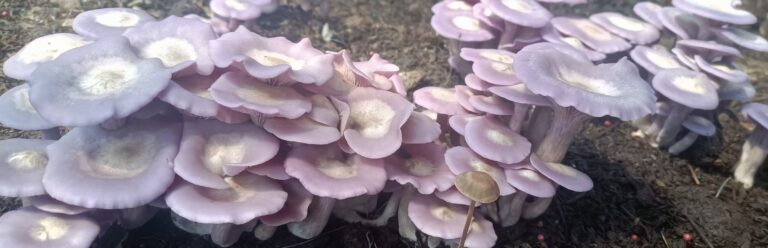
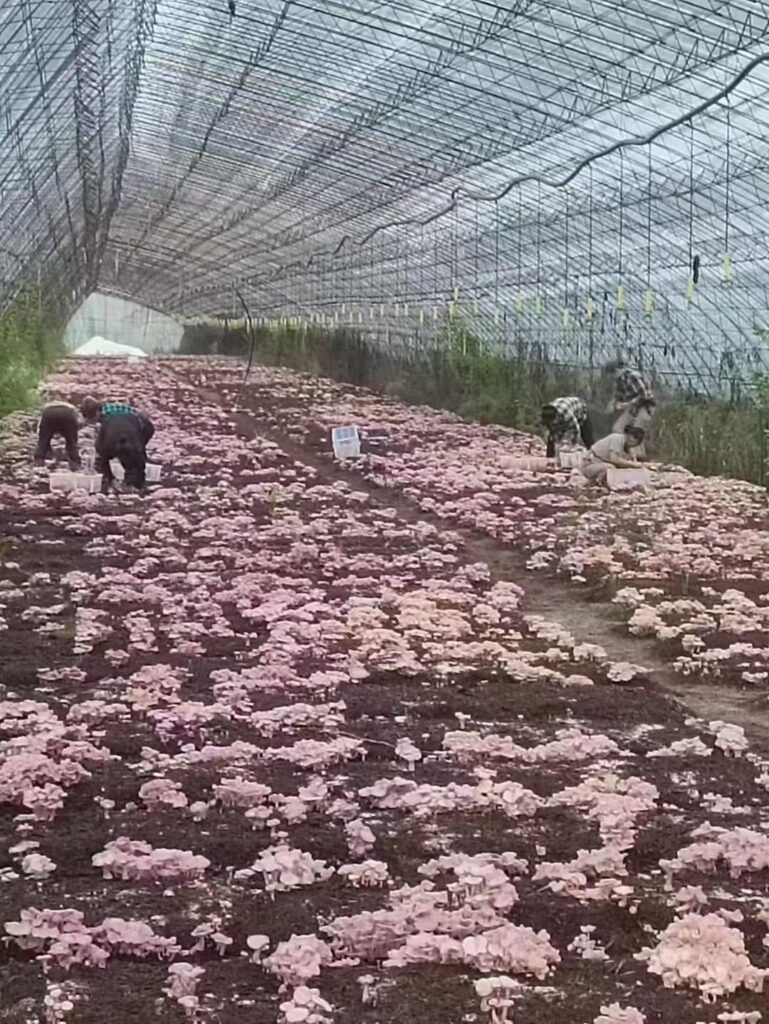
The Purple Flower Face Mushroom (Hypomyces lateritius, commonly referred to in cultivation circles) is a unique and valuable fungi variety prized for its distinctive coloration, rich flavor, and nutritional benefits. Gaining popularity among gourmet chefs and health enthusiasts, cultivating this mushroom can be a rewarding venture. However, success hinges on mastering specific Purple Flower Face Mushroom cultivation techniques and implementing a robust strategy for Purple Flower Face Mushroom pest and disease control. This guide provides a detailed, step-by-step approach to help you navigate the entire process, from spawning to harvest.
Table of Contents
- Understanding the Purple Flower Face Mushroom
- Step 1: Substrate Preparation and Formulation
- Step 2: Inoculation and Spawn Run
- Step 3: Environmental Control for Fruiting
- Step 4: Harvesting and Post-Harvest Handling
- Step 5: Integrated Pest and Disease Management
- Conclusion and Further Resources
1. Understanding the Purple Flower Face Mushroom
Before diving into Purple Flower Face Mushroom cultivation, it’s crucial to understand its natural habitat. This mushroom is often a parasitic or saprobic fungus, typically found on the decaying wood of hardwoods in temperate forests. It thrives in cool, humid conditions with indirect light. Mimicking this environment is key to successful cultivation. Unlike common button mushrooms, the Purple Flower Face Mushroom requires a more specific substrate and careful environmental monitoring, making it a fascinating challenge for both novice and experienced growers.
2. Step 1: Substrate Preparation and Formulation
The foundation of any successful mushroom farm is the substrate. For Purple Flower Face Mushroom cultivation, a nutrient-rich, pasteurized medium is essential.
- Primary Ingredients: A proven mix includes hardwood sawdust (like oak or beech), supplemented with wheat bran for nitrogen, and gypsum to regulate pH. The typical ratio is 80% sawdust, 19% wheat bran, and 1% gypsum by weight.
- Moisture Content: Hydrate the mixture to achieve a moisture content of 60-65%. You can test this by squeezing a handful; it should hold together with only a few drops of water escaping.
- Pasteurization: This critical step eliminates competing microorganisms. The substrate can be pasteurized by soaking it in hot water (70-80°C) for 1-2 hours or using a steam pasteurization unit. Proper pasteurization is the first line of defense in Purple Flower Face Mushroom pest and disease control, ensuring a clean start for your mushroom spawn.
3. Step 2: Inoculation and Spawn Run
Once your substrate is cooled, it’s time for inoculation.
- Choosing Spawn: Purchase high-quality Purple Flower Face Mushroom grain spawn from a reputable supplier. Liquid culture syringes are another option for advanced cultivators.
- Inoculation Process: In a clean environment (ideally near a laminar flow hood or still air box), mix the grain spawn thoroughly throughout the substrate. Fill this inoculated substrate into sterilized grow bags with filter patches or into airtight containers.
- Incubation: Place the bags in a dark, warm (20-24°C) incubation room. This “spawn run” phase, where the mycelium colonizes the substrate, takes 2-4 weeks. Do not open the bags during this time to prevent contamination.
https://example.com/images/purple-mushroom-spawn-run.jpgAlt Text: Colonized substrate bag showing white mycelium for Purple Flower Face Mushroom cultivation.
4. Step 3: Environmental Control for Fruiting
After full colonization, initiate the fruiting phase by changing environmental conditions.
- Temperature: Lower the temperature to 15-18°C. This temperature drop is a crucial signal for the mushroom to start forming pins (primordia).
- Humidity: Increase relative humidity to 85-95%. Use a humidifier or frequent, fine misting to maintain this level. Avoid directly spraying water onto the developing pins.
- Fresh Air Exchange (FAE): Introduce fresh air 2-4 times daily to reduce carbon dioxide buildup. High CO2 levels lead to long stems and small caps. Proper FAE is vital for healthy Purple Flower Face Mushroom development.
- Light: Provide indirect light for 10-12 hours a day. Standard fluorescent or LED lights are sufficient. Light guides proper cap formation and can enhance the mushroom’s characteristic pigmentation.
5. Step 4: Harvesting and Post-Harvest Handling
Purple Flower Face Mushrooms are ready for harvest just before the cap margin fully flattens out.
- Harvest Technique: Gently twist and pull the mushroom cluster from the substrate, or use a clean, sharp knife to cut at the base. Try to minimize damage to the surrounding mycelium to encourage subsequent flushes.
- Post-Harvest: Harvested mushrooms are highly perishable. Cool them immediately to 2-4°C. For storage, use breathable paper bags or perforated containers in the refrigerator, where they can last for up to a week. For longer-term storage, consider drying or sautéing and freezing them. As noted by experts at Fresh Mushroom Storage Guide(DoFollow), rapid cooling is the single most important factor in extending shelf life.
6. Step 5: Integrated Pest and Disease Management
Vigilance is key in Purple Flower Face Mushroom pest and disease control. An Integrated Pest Management (IPM) approach combining prevention, monitoring, and intervention is most effective.
- Common Diseases:
- Green Mold (Trichodermaspp.):** The most common contaminant, appearing as rapid green spores. Preventionis paramount: maintain strict hygiene, proper pasteurization, and avoid over-wetting. Remove contaminated bags immediately from the growing area.
- Cobweb Mold (Hypomycesspp.):** Appears as a wispy, gray mold. Increase fresh air exchange and lower humidity. Lightly mist the affected area with a 3% hydrogen peroxide solution.
- Common Pests:
- Fungus Gnats & Sciarid Flies: These are often the most frustrating pests in Purple Flower Face Mushroom cultivation. Their larvae feed on mycelium. Use sticky yellow traps for adults and consider a biological control like Bacillus thuringiensis israelensis(Bti) for larvae, as recommended by Biological Pest Control Resources(DoFollow).
- Mites: Tiny arachnids that can devastate a crop. Scrupulous cleanliness and the use of food-grade diatomaceous earth as a barrier can help.
- IPM Strategy:
- Sanitation: Disinfect all tools, surfaces, and hands before and after handling crops.
- Cultural Controls: Manage environmental conditions (temp, humidity, FAE) to favor mushrooms over pests/pathogens.
- Physical Controls: Use filters on air intake vents, install insect screens, and deploy sticky traps.
- Biological Controls: Introduce beneficial nematodes or approved bacterial agents.
- Chemical Controls: Use as a last resort and only with products labeled for use in edible fungus cultivation.
7. Conclusion and Further Resources
Mastering Purple Flower Face Mushroom cultivation is a journey of observation and adjustment. By meticulously preparing your substrate, controlling the fruiting environment, and implementing a proactive Purple Flower Face Mushroom pest and disease control plan, you can significantly increase your chances of a bountiful and healthy harvest. Remember, consistency in procedure and cleanliness is the hallmark of a successful mushroom cultivator.
For more detailed information on advanced cultivation techniques, you can explore our internal guide on Creating the Ideal Fungal Microclimate. Additionally, the book “Organic Mushroom Farming and Mycoremediation”by Tradd Cotter is an invaluable external resource for any serious grower looking to deepen their mycological knowledge.