Purple Face Mushroom: A Unique Wild Edible Mushroom from Northern Forests
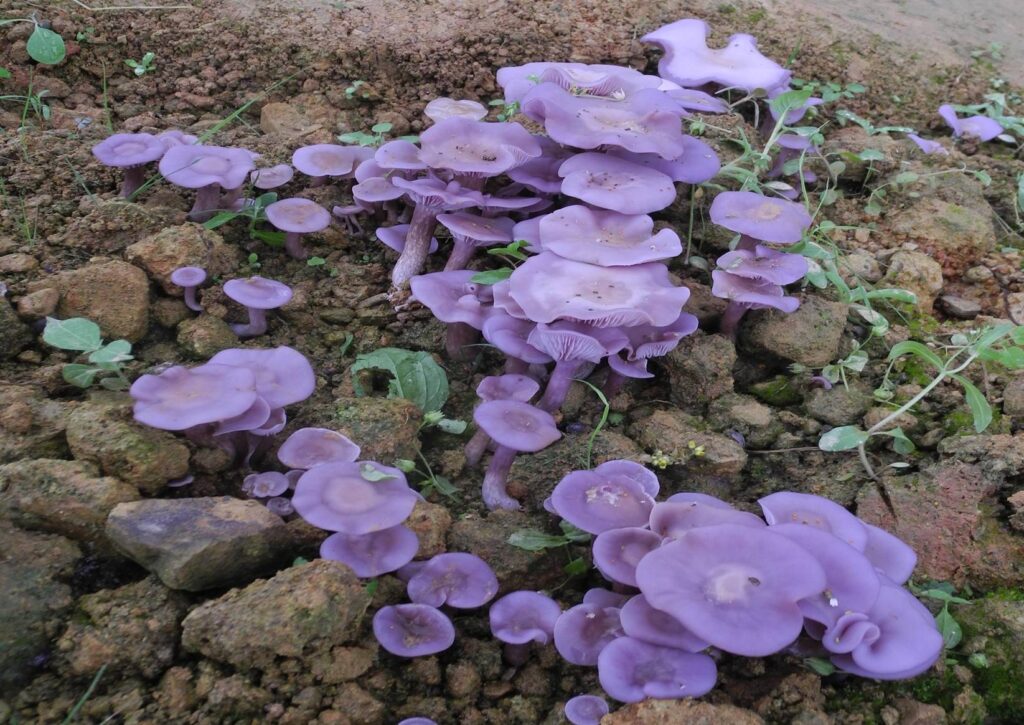
Introduction
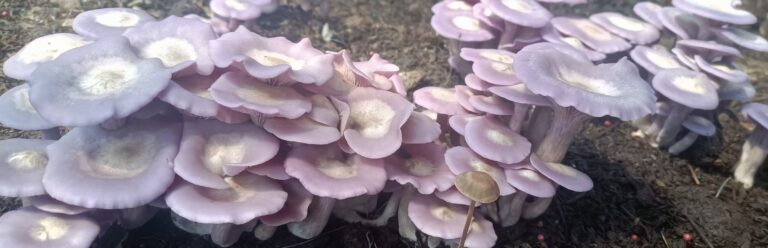
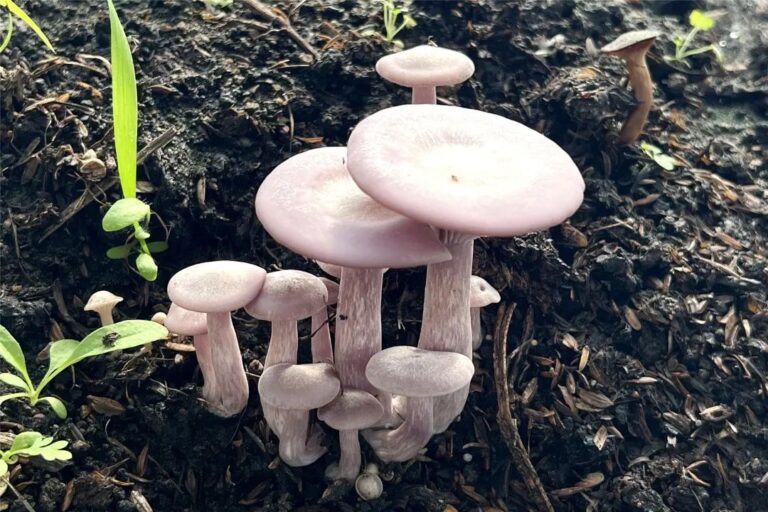
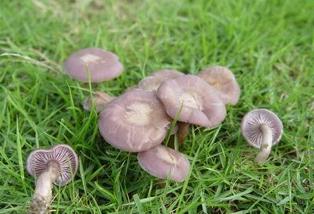
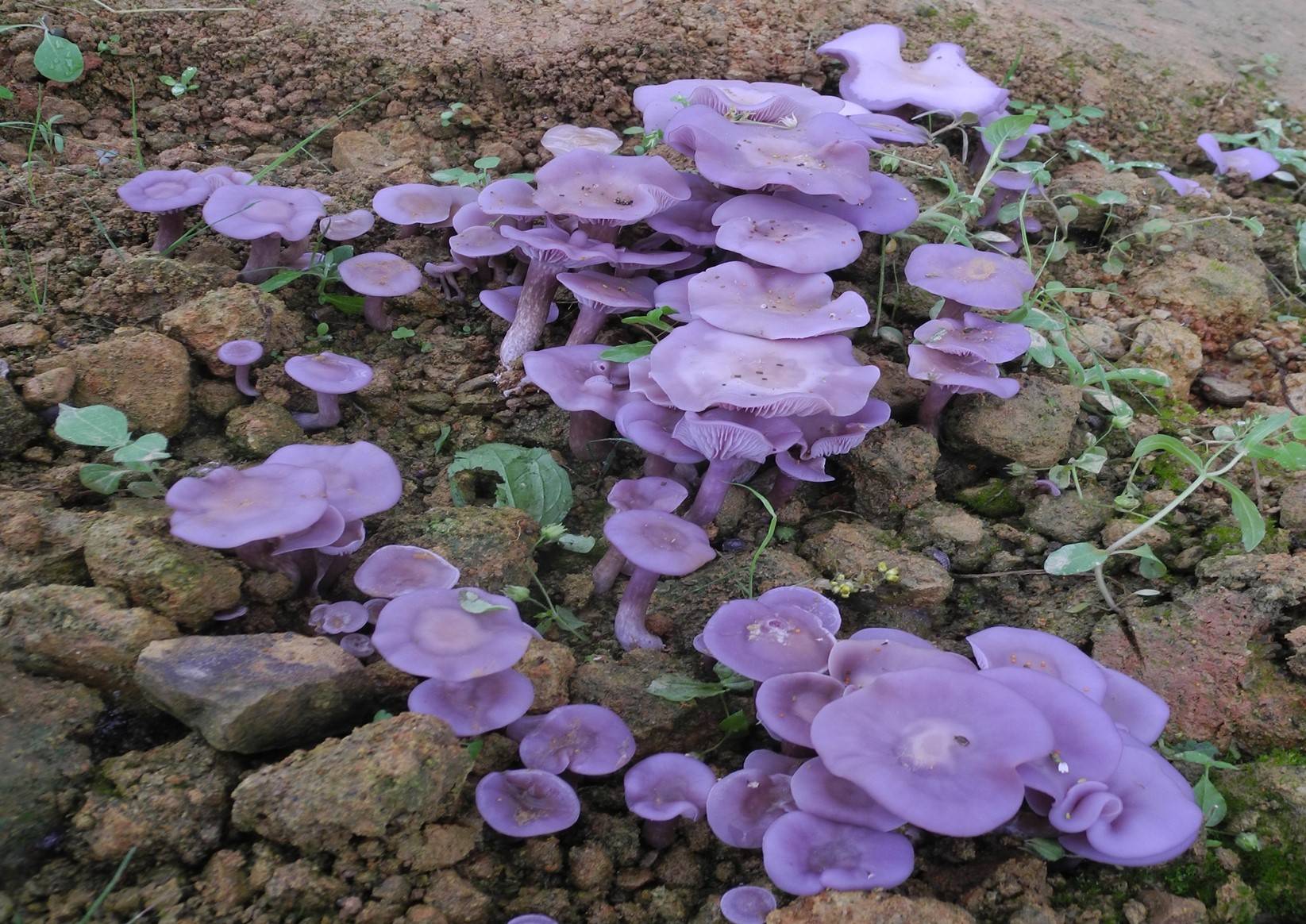
The Purple Face Mushroom is a distinctive wild edible fungus found in forested regions of northern Asia. Known for its unusual appearance and rich taste, this mushroom has long been appreciated by local communities and mushroom enthusiasts. In recent years, interest in wild forest foods has grown, bringing attention to many traditional ingredients including this remarkable species.
Wild mushrooms often carry unique flavors that cannot be easily replicated by cultivated varieties, making them valuable in both traditional cuisine and modern gastronomy.
Characteristics and Natural Habitat
The Purple Face Mushroom is typically found in cool forest environments where soil, moisture, and shade create ideal growing conditions. It often appears during late summer and early autumn when rainfall and temperature levels support mushroom growth.
Common characteristics include:
- A distinctive purple or dark-toned cap surface
- Firm texture suitable for cooking
- Rich earthy aroma
- Growth in natural woodland ecosystems
Because it grows in specific environments, harvesting often requires knowledge of forest ecology and mushroom identification.
Nutritional Value
Like many wild fungi, the Purple Face Mushroom provides several important nutrients that support a healthy diet. Mushrooms are widely valued for their low fat content and beneficial compounds.
Key nutritional components may include:
- Dietary fiber for digestive health
- B vitamins that support metabolism
- Antioxidants that help protect cells
- Minerals such as potassium and selenium
These nutrients make wild mushrooms an appealing ingredient for people seeking natural and nutritious foods.
Culinary Uses
In traditional cooking, the Purple Face Mushroom is often used in soups, stir-fried dishes, and regional recipes. Its firm texture allows it to hold flavor well during cooking, making it suitable for a variety of preparations.
Many chefs appreciate its earthy flavor profile, which pairs well with vegetables, meats, and herbal seasonings. In modern cuisine, wild mushrooms are frequently used to add depth and umami to dishes.
Because wild mushrooms can vary in flavor intensity, cooks often use simple preparation methods that highlight their natural taste.
Sustainable Harvesting
Responsible harvesting practices are important when collecting wild mushrooms. Sustainable gathering ensures that natural ecosystems remain healthy and productive for future generations.
People who collect mushrooms should always:
- Properly identify edible species
- Harvest only mature specimens
- Avoid damaging surrounding vegetation
- Follow local environmental guidelines
These practices help protect forest biodiversity while allowing traditional foods to remain available.
Conclusion
Wild forest ingredients continue to attract attention from chefs, nutrition experts, and food enthusiasts. With its distinctive appearance, flavorful taste, and natural nutritional value, the Purple Face Mushroom represents one of the many fascinating edible fungi found in northern forest ecosystems.
For more information about edible mushrooms and identification, visit:
External link: https://www.mycologicalsociety.com
You can also explore our mushroom products here:
Internal link: https://www.mqzihualian.com/