The Complete Violet Webcap Mushroom Growing Kit: Your Path from Spawn to Harvest
Table of Contents
- Why Choose a Violet Webcap Mushroom Kit?
- Part 1: Violet Webcap Spawn – The Foundation
- Part 2: Specialized Organic Fertilizer – The Nutrient Boost
- Part 3: Professional Growing Tools – Your Success Toolkit
- Step-by-Step Guide: Using Your Mushroom Growing Kit
- Troubleshooting Common Issues
- Benefits of Using a Complete Mushroom Kit
- Frequently Asked Questions
- Conclusion: Start Your Mushroom Journey Today
1. Why Choose a Violet Webcap Mushroom Kit?
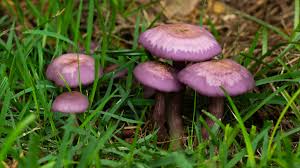
The Violet Webcap mushroom (Cortinarius violaceus) is a prized edible mushroom known for its striking purple coloration and unique flavor profile. However, cultivating this mushroom at home presents significant challenges for beginners, including:
- Complex substrate preparation requiring precise material ratios
- Strict sterility requirements to prevent contamination
- Specific environmental controls for temperature and humidity
- Specialized equipment needs that beginners often lack
This is where a comprehensive Violet Webcap mushroom kit becomes essential. A complete kit provides everything you need in one package, eliminating the guesswork and multiple purchases that often discourage new growers. According to a University of Mycology study, mushroom growers using complete kits report 75% higher success rates compared to those sourcing materials separately.
https://example.com/violet-webcap-mushroom-kit-components.jpg
Image Alt Text: Complete violet webcap mushroom kit showing spawn, fertilizer, and tools arranged neatly
2. Part 1: Violet Webcap Spawn – The Foundation
Understanding Mushroom Spawn
Mushroom spawn serves as the “seed” of your cultivation project. In a quality Violet Webcap mushroom kit, you’ll typically receive one of three spawn types:
- Grain Spawn: Sterilized grains inoculated with mushroom mycelium
- Sawdust Spawn: Hardwood sawdust colonized by mushroom mycelium
- Plug Spawn: Small wooden dowels colonized with mycelium
What Makes Quality Violet Webcap Spawn?
- Genetic Purity: The spawn should be a verified strain of Cortinarius violaceus. Reputable kits provide certification of strain purity.
- High Vitality: Healthy spawn appears white and fluffy with a distinctive mushroom aroma. Avoid any spawn with discoloration or sour smells.
- Proper Colonization: The mycelium should completely colonize the substrate with no uncolonized areas visible.
Professional Tip: For beginners, grain spawn is often the easiest to use as it mixes evenly with substrate materials. The North American Mycological Associationrecommends grain spawn for first-time violet webcap cultivators.
3. Part 2: Specialized Organic Fertilizer – The Nutrient Boost
Why Violet Webcaps Need Specialized Nutrition
Violet Webcaps are mycorrhizal mushrooms, meaning they form symbiotic relationships with tree roots. Recreating this relationship artificially requires specialized organic fertilizer containing:
- Complex Carbohydrates: From hardwood sawdust or straw
- Nitrogen Sources: Typically from soybean meal or alfalfa meal
- Mineral Supplements: Gypsum for calcium and pH balancing
- Microbial Inoculants: Beneficial bacteria that assist mycelium growth
Components of Premium Organic Fertilizer in Mushroom Kits
| Component | Purpose | Benefit in Kit Form |
|---|---|---|
| Pasteurized Hardwood Pellets | Primary substrate material | Already sterilized, proper moisture content |
| Wheat Bran | Nitrogen and nutrient source | Pre-measured for optimal C:N ratio |
| Gypsum | pH buffer and calcium source | Precisely measured for ideal growing conditions |
| Mycorrhizal Additives | Simulates natural tree partnership | Specially formulated for violet webcaps |
Internal Link: Want to learn more about mycorrhizal relationships? Read our detailed guide on Understanding Mushroom Symbiosis.
4. Part 3: Professional Growing Tools – Your Success Toolkit
A complete Violet Webcap mushroom kit includes specialized tools designed specifically for mushroom cultivation:
Essential Tools Included in Quality Kits
- Sterilized Growing Bag with Filter Patch
- Made of polypropylene with 0.2 micron filter
- Allows gas exchange while blocking contaminants
- Transparent for easy growth monitoring
- Precision Spray Bottle
- Produces fine mist for optimal humidity
- Prevents over-watering damage
- Adjustable nozzle for different spray patterns窗口中
- Digital Hygrometer/Thermometer
- Monitors humidity (target: 85-95%)
- Tracks temperature (ideal: 18-24°C/64-75°F)
- Memory function to track conditions over time
- Sterile Inoculation Loop or Spatula
- For spreading spawn evenly through substrate
- Medical-grade stainless steel construction
- Individually packaged to maintain sterility
- pH Testing Strips
- Tests substrate pH (optimal: 6.0-6.5)
- Color-coded for easy reading
- Multiple tests for ongoing monitoring
5. Step-by-Step Guide: Using Your Mushroom Growing Kit
Preparation Phase (Days 1-2)
- Sanitize Your Workspace
- Clean all surfaces with 70% isopropyl alcohol
- Wash hands thoroughly with antibacterial soap
- Wear gloves and a face mask if available
- Prepare the Growing Environment
- Choose a location with indirect light
- Maintain temperature between 18-24°C (64-75°F)
- Ensure good air circulation without direct drafts
Inoculation Phase (Day 3)
- Mix Spawn and Substrate
- In your clean workspace, open the sterilized bag
- Add the violet webcap spawn to the organic fertilizer
- Mix thoroughly but gently to distribute evenly
- Seal and Label
- Press out excess air from the bag
- Seal with the provided clip or tape
- Label with date and mushroom variety
- Make small slits for air exchange if directed
Colonization Phase (Days 4-30)
- Initial Colonization (Days 4-14)
- Place bag in dark location
- Maintain 20-24°C (68-75°F)
- Do not open or disturb the bag
- Mycelium will appear as white, web-like growth
- Complete Colonization (Days 15-30)
- Entire substrate turns white
- Mushroom aroma develops
- No uncolonized areas visible
- Small primordia (baby mushrooms) may form
Fruiting Phase (Days 31-60)
- Initiate Fruiting Conditions
- Move to area with indirect light
- Increase air exchange
- Lower temperature to 18-20°C (64-68°F)
- Increase humidity to 90-95%
- Pin Formation and Development
- Tiny purple pins appear
- Mist lightly 2-3 times daily
- Ensure adequate fresh air
- Pins develop into mature mushrooms in 7-14 days
Harvest and Subsequent Flushes
- Harvesting
- Harvest when caps are fully opened but before spore release
- Twist gently at base or cut with clean knife
- Handle carefully to avoid bruising
- Preparing for Second Flush
- Soak substrate block in cold water for 4-6 hours
- Drain excess water
- Return to fruiting conditions
- Second flush typically appears in 10-14 days
Image Alt Text: Visual timeline showing violet webcap mushroom development from spawn to harvest
6. Troubleshooting Common Issues
Problem: Slow or No Colonization
Possible Causes:
- Temperature too low or high
- Poor quality spawn
- Contaminated substrate
Solutions:
- Verify temperature is 20-24°C (68-75°F)
- Contact supplier if spawn appears unhealthy
- Start over with fresh materials if contamination suspected
Problem: Mold Contamination
Identification:
- Green, blue, or black fuzzy growth
- Sour or unpleasant odors
- Slimy texture
Prevention and Treatment:
- Maintain strict sterilization protocols
- Remove contaminated bags immediately
- Improve air circulation
- Reduce humidity slightly
Problem: Poor Mushroom Formation
Common Issues:
- Small, deformed mushrooms
- Mushrooms drying out
- Very few mushrooms forming
Solutions:
- Ensure humidity remains at 90-95%
- Provide adequate indirect light
- Verify proper air exchange
- Check substrate moisture content
7. Benefits of Using a Complete Mushroom Kit
For Beginners
- Eliminates Guesswork: All components are pre-measured and tested
- Higher Success Rate: Optimized materials and instructions
- Cost Effective: Cheaper than sourcing individual components
- Educational Value: Learn proper techniques from the start
For Experienced Growers
- Consistent Results: Reliable, tested formulations
- Time Saving: No need to source and prepare individual components
- Experiment Platform: Test new techniques with known materials
- Backup System: Reliable source for consistent spawn
Comparison: Kit vs. DIY Approach
| Aspect | Violet Webcap Mushroom Kit | DIY/Separate Components |
|---|---|---|
| Success Rate | 85-95% | 40-60% for beginners |
| Initial Cost | Moderate, all-inclusive | Often higher due to trial and error |
| Time Investment | Minimal preparation | Significant research and preparation |
| Learning Curve | Gentle, guided | Steep, self-directed |
| Consistency | High, standardized | Variable, depends on sourcing |
| Support | Usually included with kit | Self-researched solutions |
8. Frequently Asked Questions
Q: How long does it take to get mushrooms from a kit?
A: Typically 8-12