9 Things You Need to Know About Purple Face Mushroom: Edibility, Habitat & Uses

Table of Contents
- What Is Purple Face Mushroom? A Basic Introduction
- Purple Face Mushroom Habitat: Where to Find It
- How to Identify Purple Face Mushroom (Safety Tips)
- Is Purple Face Mushroom Edible? Safety Precautions
- Purple Face Mushroom Nutritional Benefits
- Culinary Uses of Purple Face Mushroom
- Artificial Cultivation of Purple Face Mushroom
- FAQs About Purple Face Mushroom
- Reliable Foraging Resources for Purple Face Mushroom
Purple face mushroom, scientifically known as Lepista sordida, is a unique and underrated edible fungus that stands out for its striking purple hues and delightful flavor. Often overlooked by casual foragers, this mushroom is not only safe to eat (when properly identified) but also packed with nutrients and versatile in the kitchen. Whether you’re an experienced forager looking to expand your finds or a food enthusiast curious about new ingredients, understanding the purple face mushroom is key to safely enjoying its benefits.
In this detailed guide, we’ll cover everything you need to know about purple face mushroom: from its physical characteristics and natural habitat to its edibility, nutritional value, and how to use it in cooking. We’ll also address common questions and safety tips to ensure you can forage and enjoy this mushroom with confidence. By the end, you’ll have all the information to appreciate the purple face mushroom as a valuable addition to your foraging list and culinary repertoire.
What Is Purple Face Mushroom? A Basic Introduction
Purple face mushroom, also known as flower-faced mushroom or violet-scented mushroom, belongs to the Tricholomataceae family and the Lepista genus. Its scientific name, Lepista sordida, translates to “dingy” or “faded,” which refers to how its purple color fades as it dries out.
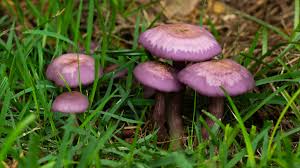
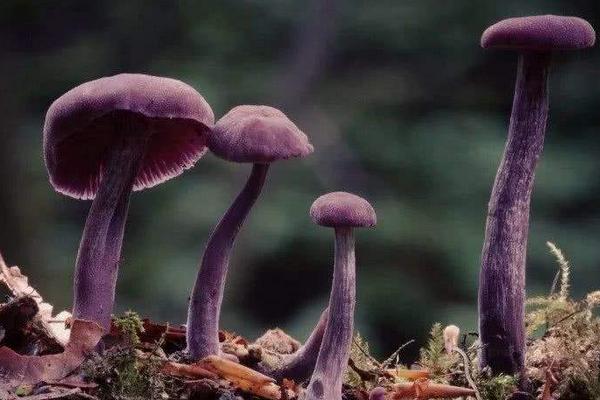
This mushroom is easily recognizable by its distinct purple tones, which cover its cap, gills, and stem when fresh. Unlike many colorful mushrooms that are toxic, the purple face mushroom is a safe and delicious edible variety, making it a favorite among experienced foragers in regions where it grows natively.
Native to the Northern Hemisphere, the purple face mushroom has a widespread distribution, with populations found across Asia, Europe, and North America. It is particularly common in China, where it grows in abundance in provinces like Heilongjiang, Inner Mongolia, and Sichuan, as well as in parts of Europe and North America’s temperate forests.
Purple Face Mushroom Habitat: Where to Find It
Understanding the habitat of the purple face mushroom is crucial for successful and safe foraging. This mushroom is a saprophytic fungus, meaning it feeds on decaying organic matter, and it thrives in specific environmental conditions.
Preferred Growing Environments
Purple face mushroom grows best in warm, moist conditions, typically appearing from early summer to late autumn. It is commonly found in grasslands, meadows, farmyards, along roadsides, and in the vicinity of deciduous and coniferous forests.
It often grows in clusters or near clusters, and it is not uncommon to find it forming “fairy rings”—circular patterns of growth that occur when the mycelium (underground fungal network) expands outward. This unique growth pattern makes it easier to spot in open grassy areas.
Geographic Distribution
In Asia, the purple face mushroom is widely distributed across China, including regions like Heilongjiang, Jilin, Inner Mongolia, Henan, Gansu, and Sichuan. It also grows in parts of Japan and Korea.
In Europe, it can be found in countries like France, Germany, and the United Kingdom, particularly in grasslands and forest edges. In North America, it is present in the northern United States and Canada, thriving in temperate and sub-temperate regions.
A key note for foragers: the purple face mushroom should not be collected from polluted areas, such as roadsides with heavy traffic or industrial zones, as it can absorb heavy metals like lead, which are harmful to human health.
How to Identify Purple Face Mushroom (Safety Tips)
Proper identification is critical when foraging for any wild mushroom, and the purple face mushroom has distinct characteristics that set it apart from toxic lookalikes. Here’s how to identify it correctly:
Cap Characteristics
The cap of the purple face mushroom is 4 to 8 centimeters in diameter. When young, it is hemispherical, gradually flattening as it matures, and often has a slight depression in the center. The cap’s surface is smooth and moist, with a striking purple or violet color when fresh, which fades to light brown or tan as it dries out.
The edge of the cap is rolled inward when young and may become wavy or lobed as it ages. It also has subtle, indistinct stripes and a water-soaked appearance when moist, which is how it gets its “face” nickname.
Gill and Stem Features
The gills of the purple face mushroom are attached to the stem (adnate or slightly decurrent) and are medium-dense, with a pale purple color that matches the cap. They do not change color when bruised or cut.
The stem is 4 to 6.5 centimeters long and 0.3 to 1.2 centimeters in diameter, cylindrical in shape, and solid (not hollow). It is the same purple color as the cap and gills, with a smooth surface, and its base is often slightly curved.
Flesh and Odor
The flesh of the purple face mushroom is thin, soft, and has a pale purple hue. It has a mild, pleasant mushroom aroma, often described as slightly sweet or nutty, which becomes more pronounced when cooked.
Toxic Lookalikes to Avoid
One common lookalike is the purple waxcap (Larriaria amethystea), also known as the “false purple face mushroom,” which has a similar purple color but a less pleasant taste and is not as desirable for cooking. To distinguish them, note that the purple waxcap has a more slender stem and its gills are more widely spaced.
Always remember: if you are unsure about the identification of any wild mushroom, do not eat it. When in doubt, consult a professional mycologist or a trusted foraging guide.
Is Purple Face Mushroom Edible? Safety Precautions
Yes, the purple face mushroom is edible and safe to eat when properly identified and cooked thoroughly. However, there are several important safety precautions to follow to ensure a safe eating experience:
Cook Thoroughly
Like many wild mushrooms, the purple face mushroom should never be eaten raw. Raw or undercooked purple face mushroom can cause gastrointestinal discomfort, such as nausea, vomiting, or diarrhea. Always cook it thoroughly—boil, sauté, or roast it for at least 10 to 15 minutes to break down any potentially irritating compounds.
Avoid Polluted Areas
As mentioned earlier, the purple face mushroom can absorb heavy metals and other toxins from its environment. Avoid collecting it from roadsides, industrial areas, or fields that have been treated with pesticides or fertilizers.
Moderation Is Key
While the purple face mushroom is safe to eat, consuming large quantities in one sitting can cause digestive issues. Stick to moderate portions, especially if you are eating it for the first time.
Allergy Check
Some people may be allergic to mushrooms, including the purple face mushroom. If you are trying it for the first time, eat a small amount and wait 24 hours to check for any allergic reactions, such as itching, swelling, or difficulty breathing.
Purple Face Mushroom Nutritional Benefits
The purple face mushroom is not only delicious but also nutrient-dense, offering a range of health benefits. Here’s a breakdown of its key nutritional components:
Macronutrients
Per 100 grams of fresh purple face mushroom, it contains approximately 2.9 grams of protein, 0.2 grams of fat, and 3 grams of carbohydrates, making it a low-calorie, high-protein food option. It also contains 0.6 grams of dietary fiber, which supports digestive health.
Micronutrients
The purple face mushroom is rich in essential minerals, including calcium (8 mg), phosphorus (6.6 mg), iron (1.3 mg), selenium, zinc, and germanium. Selenium, in particular, is present in high levels—several times higher than in fruits, vegetables, and even meat products—which supports immune function and antioxidant activity.
Vitamins and Bioactive Compounds
It is a good source of vitamins, including vitamin C (4 mg), niacin (3.3 mg), and B vitamins, as well as vitamin D when exposed to sunlight. It also contains bioactive compounds like polysaccharides, triterpenoids, and sterols, which have anti-inflammatory, antibacterial, and even anti-cancer properties, according to research.
Culinary Uses of Purple Face Mushroom
The purple face mushroom has a mild, nutty flavor and a tender, slightly chewy texture, making it versatile in a variety of dishes. Its purple color fades when cooked, but it retains its delicious taste and aroma. Here are some popular ways to use it:
Sautéed or Stir-Fried
Sautéing purple face mushroom with garlic, butter, and a pinch of salt is a simple way to highlight its natural flavor. It can be stir-fried with vegetables like cabbage, bell peppers, or onions, or added to stir-fries with meat or tofu for extra texture and taste.
A popular home-style recipe is stir-fried purple face mushroom with Chinese cabbage: clean and blanch the mushroom, then stir-fry with cabbage, soy sauce, and a dash of pepper for a quick and delicious side dish.
Soups and Stews
The purple face mushroom adds depth and umami to soups and stews. It can be added to chicken soup, vegetable broth, or mushroom stew, where it absorbs the flavors of the broth and enhances the overall taste. Dried purple face mushroom, which has a more concentrated flavor, is especially good for soups and stews.
Roasted or Grilled
Roasting or grilling purple face mushroom brings out its nutty flavor and creates a slightly crispy exterior. Toss it with olive oil, salt, and herbs like thyme or rosemary, then roast at 180°C (350°F) for 15 to 20 minutes, or grill until tender.
Dried and Preserved
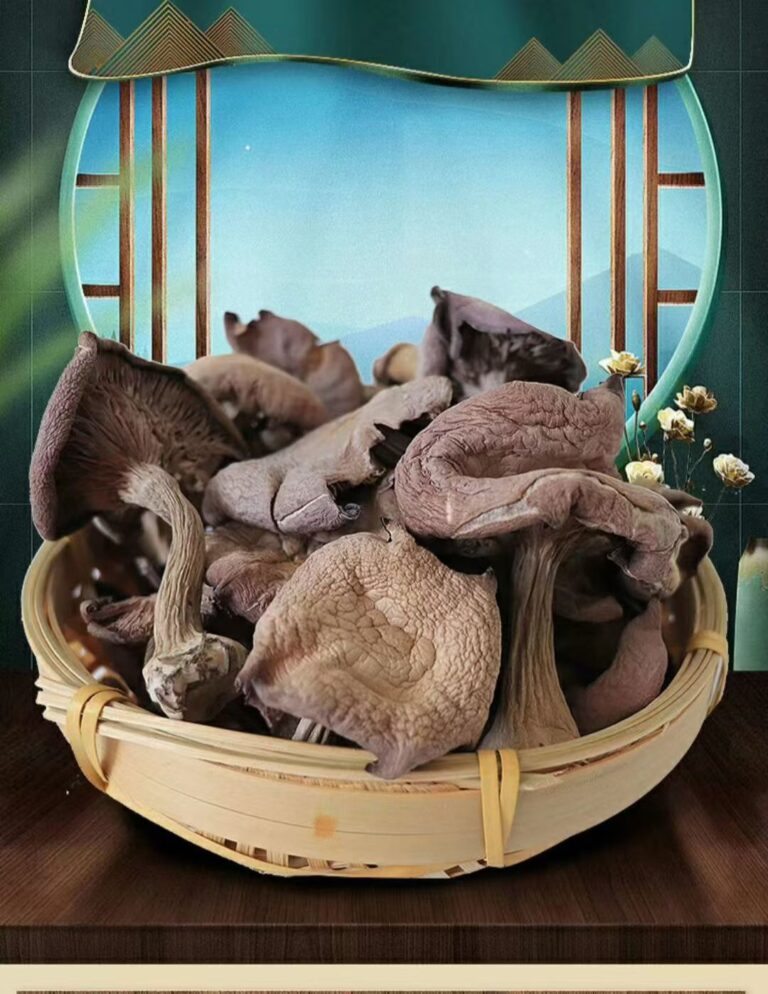
Drying purple face mushroom is a great way to preserve it for use throughout the year. Dried mushrooms can be rehydrated in warm water and used in soups, stews, or sauces. They have a more intense flavor than fresh mushrooms, making them a great addition to dishes that need a boost of umami.
Artificial Cultivation of Purple Face Mushroom
While the purple face mushroom was once only found in the wild, it was first artificially domesticated in 2017, making it more accessible to consumers and farmers alike. It is a grass-rotting mushroom, meaning it grows on decaying plant matter, which makes it suitable for cultivation using agricultural byproducts.
Cultivation Conditions
The purple face mushroom thrives in a temperature range of 20 to 26°C (68 to 79°F) and requires high humidity (85% to 90%) during the growing period. It can be cultivated using substrates made from corn stalks, rice straw, corn cobs, or other agricultural waste, making it an eco-friendly crop that helps recycle organic materials.