Zihualian Mushroom: A Complete Forager’s Guide to the Violet-Stemmed Species
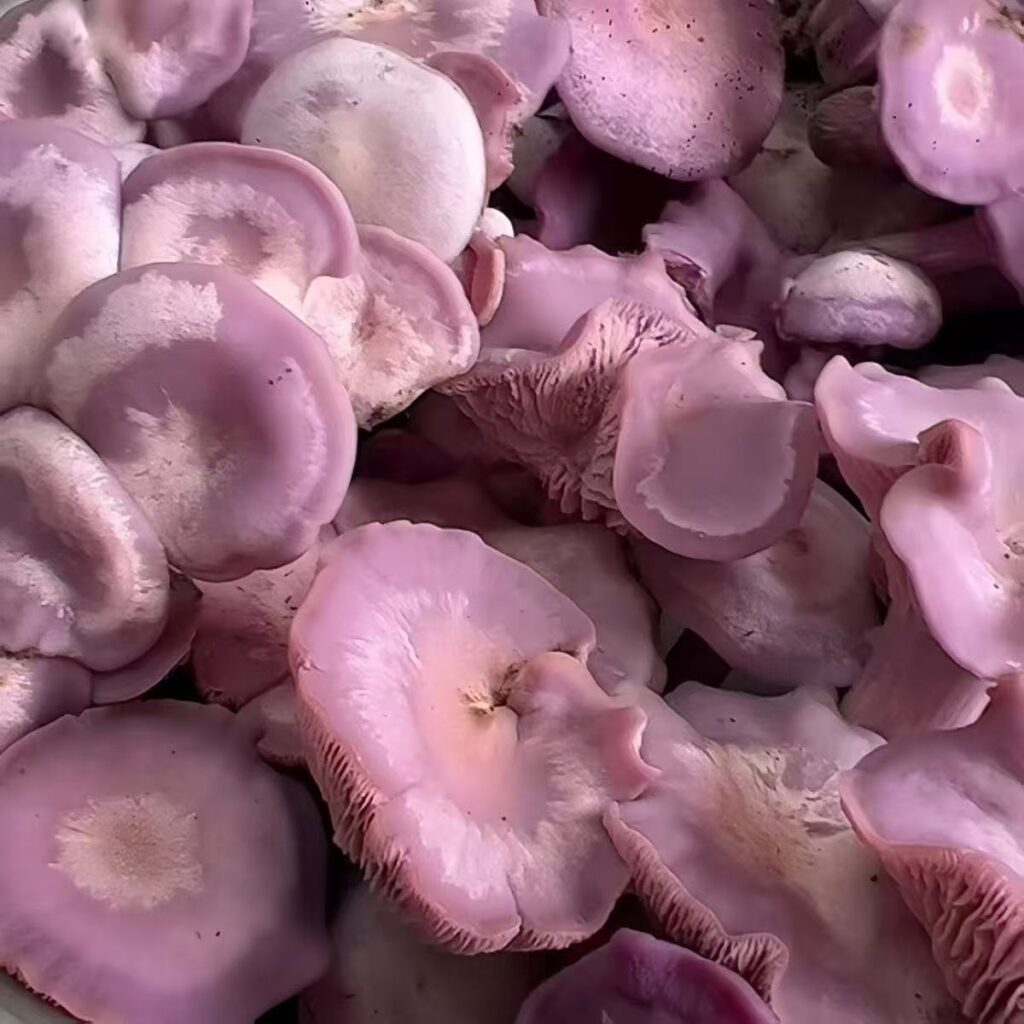
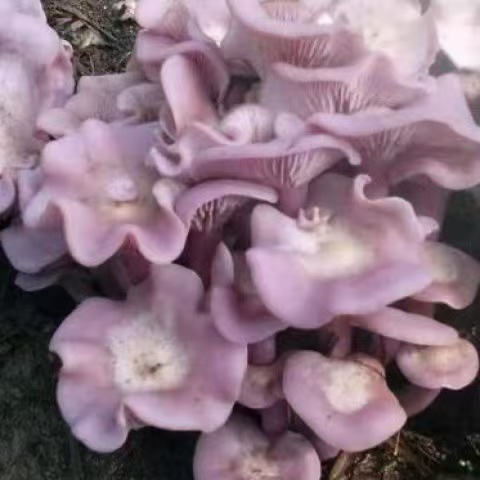
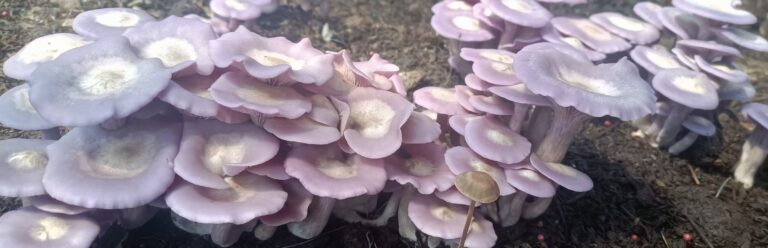
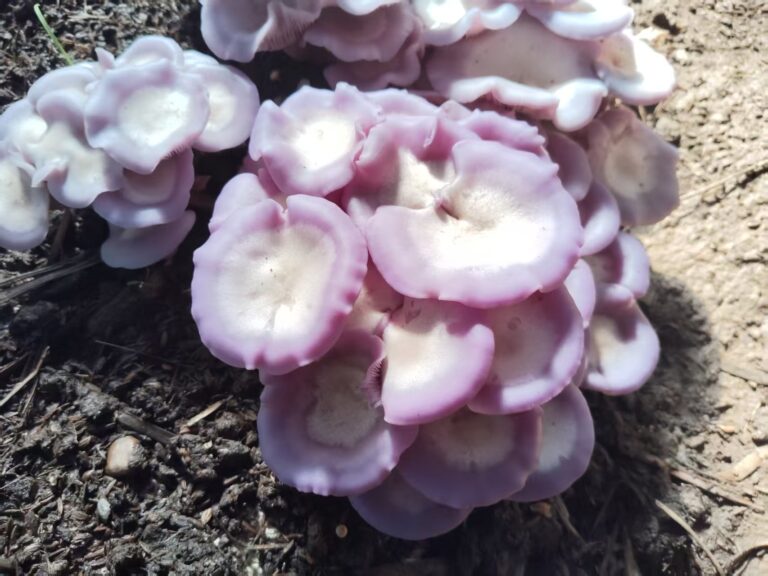
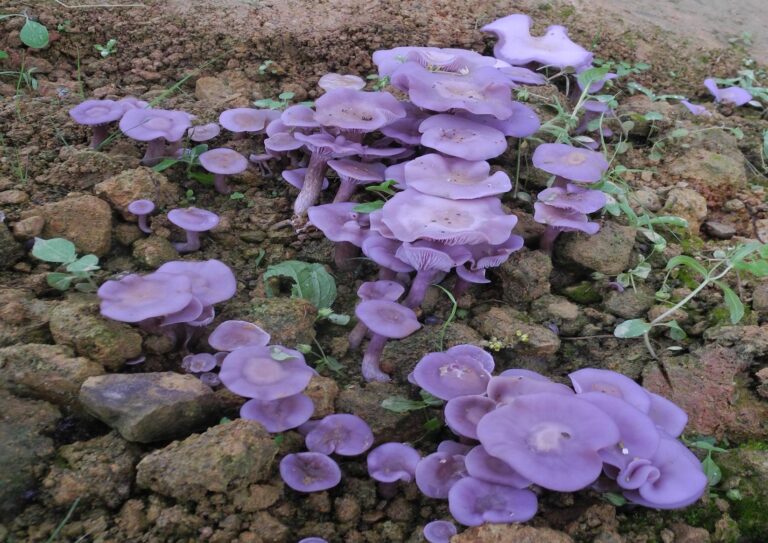
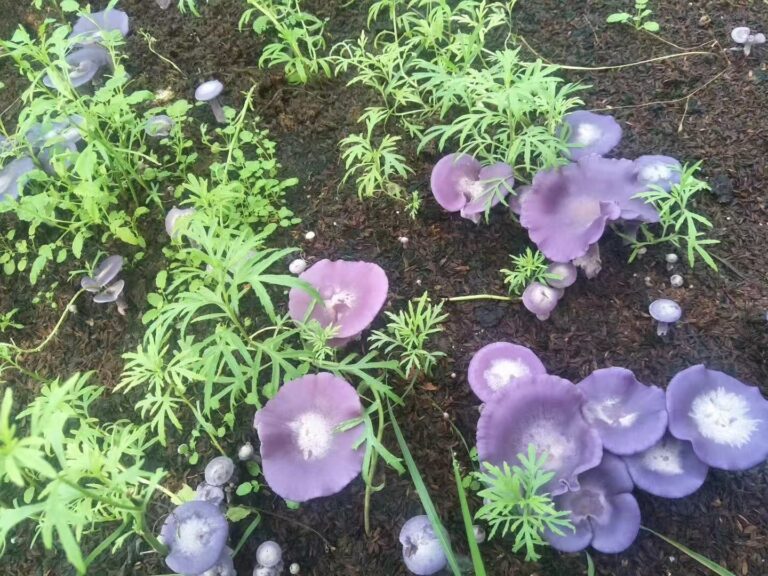
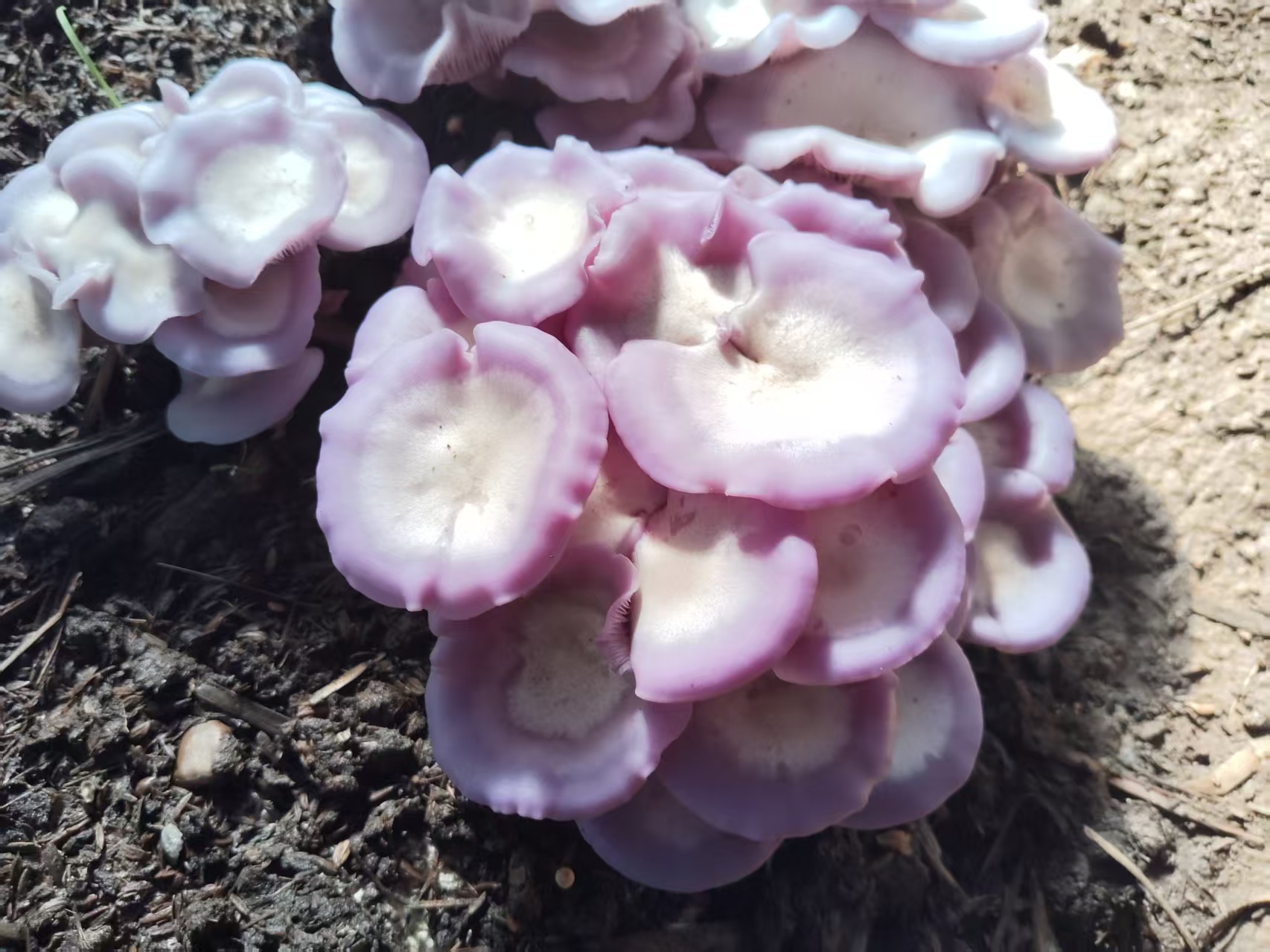
Zihualian mushroom is a distinctive fungus known among seasoned foragers for its pale brown cap and strikingly violet-colored stem. Found predominantly in East Asian mixed woodlands, this species grows in symbiotic association with oak and pine roots. Despite its alluring appearance, proper identification requires close attention to detail, as several toxic look-alikes share the same forest floor.
Key Physical Features
The cap of this fungus measures 5 to 12 centimeters across, starting convex and flattening with age. Its surface feels dry and slightly velvety, colored in shades of tan, clay, or light chestnut. What truly sets it apart is the stem—a 6 to 10 centimeter tall structure washed in lilac to deep purple hues, sometimes fading toward the base. Beneath the cap, crowded pinkish-brown gills attach directly to the stem. When bruised, the flesh shows little to no color change, a helpful distinguishing trait.
Where and When to Find It
This species fruits from late summer through mid-autumn, typically one to three days after steady rainfall. It prefers well-drained, acidic soils beneath broadleaf trees, especially oaks and beeches, though conifer associations occur. Look along shaded trail edges, north-facing slopes, and mossy banks at elevations between 300 and 1,500 meters. The Zihualian mushroom rarely appears alone; search for small clusters or scattered individuals within a few meters of each other.
Critical Look-Alikes and Dangers
Several purple-stemmed fungi can mislead beginners. The most dangerous is the Cortinarius species, which has a rusty-brown spore print (versus the pinkish-brown print of our target) and typically shows cobweb-like veil remnants on young caps. Another look-alike, the Entoloma genus, contains poisonous members that cause severe gastrointestinal distress. Unlike the Zihualian mushroom, toxic Entoloma specimens often have a mealy or radish-like odor. Always perform a spore print test and never rely solely on stem color.
Sustainable Harvesting Tips
If you have confidently identified the species, harvest by cutting the stem at ground level with a clean knife. Carry specimens in a mesh or wicker basket to allow spore dispersal back into the forest. Take no more than one-third of any single patch to preserve the local population. Clean the fungus with a dry brush at home—avoid water, which makes caps slimy and accelerates decay.
Culinary Notes
This edible fungus offers a mild, nutty flavor with a tender texture when cooked. Slice the caps and stems evenly, then sauté in butter or oil over medium-high heat until edges brown. Avoid consuming it raw, as all wild fungi contain compounds that cooking neutralizes. Start with a small portion your first time, even with a confirmed edible species, to test individual tolerance.
Final Safety Warning
No online guide, including this one, replaces hands-on training with an expert mycologist. If you cannot name every feature—cap margin, gill attachment, spore print color, smell, and habitat—leave the fungus undisturbed. The Zihualian mushroom rewards careful study but punishes carelessness. Join a local mycology club and attend guided forays before eating anything you find.
Internal link: Read our essential mushroom foraging safety rules
External link: North American Mycological Association – poisoning prevention