Discovering the Blewit Mushroom: A Forager’s Guide to Identification and Cuisine
Often found in autumn’s damp woods, the Blewit mushroom (Lepista nudaor Clitocybe nuda) is a distinctive and edible fungus prized by foragers for its unique color and flavor. Known in some regions as the “Wood Blewit” or colloquially as the “blue foot,” it is a rewarding find for those who can confidently identify it. This guide covers its key features, habitat, and culinary value.
Identification: Recognizing the Wood Blewit
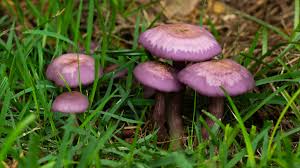
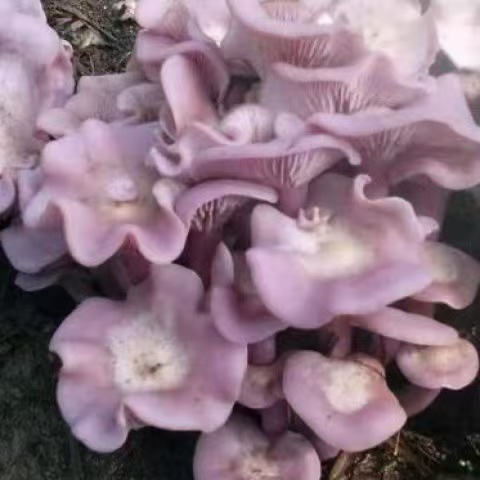
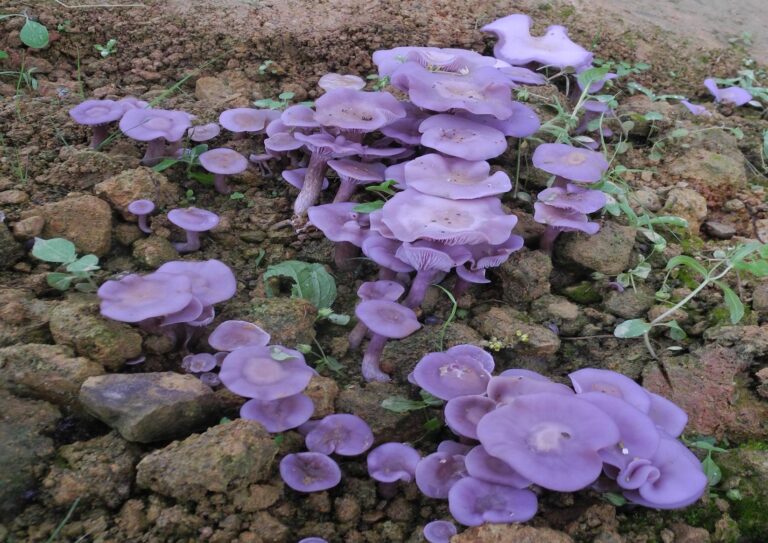
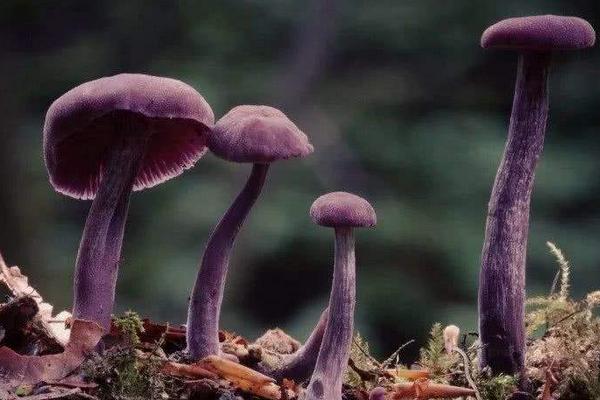
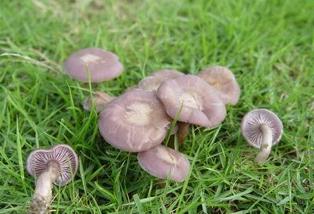
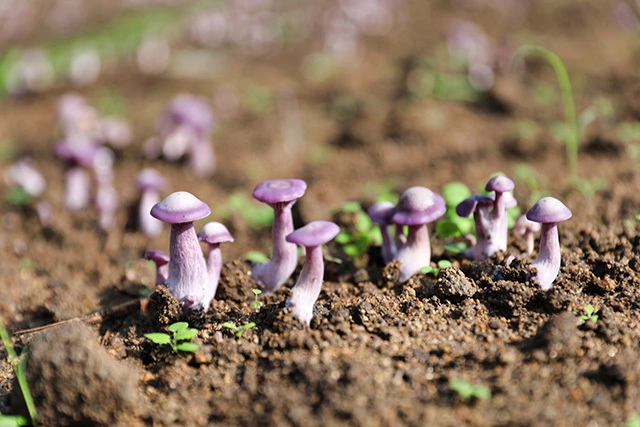
This mushroom is most notable for its striking coloration. The young caps often display a vivid lilac or violet hue, which gradually fades to a tan or buff brown with age. The gills are crowded and share the same distinctive purple tint. The stem is thick, fibrous, and typically features a violet base. A key identifier is its pleasant, fruity aroma, often compared to orange juice or frozen food. Caution: It can be confused with toxic purple look-alikes, so absolute certainty is required before consumption.
Habitat and Foraging Season
Wood Blewits are saprobic, meaning they decompose organic matter. They commonly grow in leaf litter, on decomposing wood, or in grassy areas near trees. They often appear in fairy rings or large groupings in mixed woodlands, gardens, and hedgerows across North America and Europe. The primary season is from late fall into early winter, often after the first frosts.
Culinary Uses and Preparation Blewit mushroom
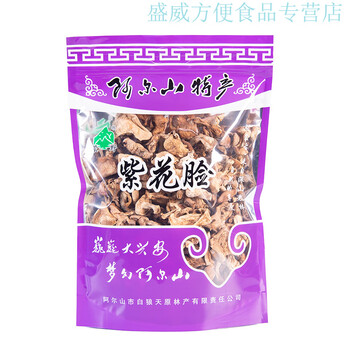
Once correctly identified, this fungus is a versatile ingredient. Its firm texture holds up well in cooking, and its mild, fragrant flavor complements creamy sauces, soups, and sautés. Critical Note: It is considered edible only when cooked thoroughly; consuming it raw can cause gastric distress. Many foragers recommend parboiling it before use, especially the first time you try it.
Important Foraging Safety and Sustainability
- Always Cross-Reference: Use multiple reputable field guides and consult with local mycological experts. The Cortinarius genus contains toxic purple species that can be mistaken for Blewits.
- Positive Identification is Mandatory: Never consume any wild fungus without 100% certainty. When in doubt, leave it out.
- Harvest Responsibly: Cut the stem cleanly and collect only what you need, leaving smaller specimens to mature and spread spores.
The Blewit mushroom offers foragers a colorful and flavorful late-season harvest. Blewit mushroom Its unique characteristics make it a fascinating subject, but respect for proper identification and preparation is paramount to a safe and enjoyable foraging experience.
Internal Link: Learn about other common edible fungi in our guide to Chanterelle Mushrooms: The Golden Harvest.
External Resource: For scientific classification, images, and detailed distribution maps, visit the Mycological Society of America.