5-Step Cultivation Roadmap for Purple Flower Mushroom : From Spawn to Harvest
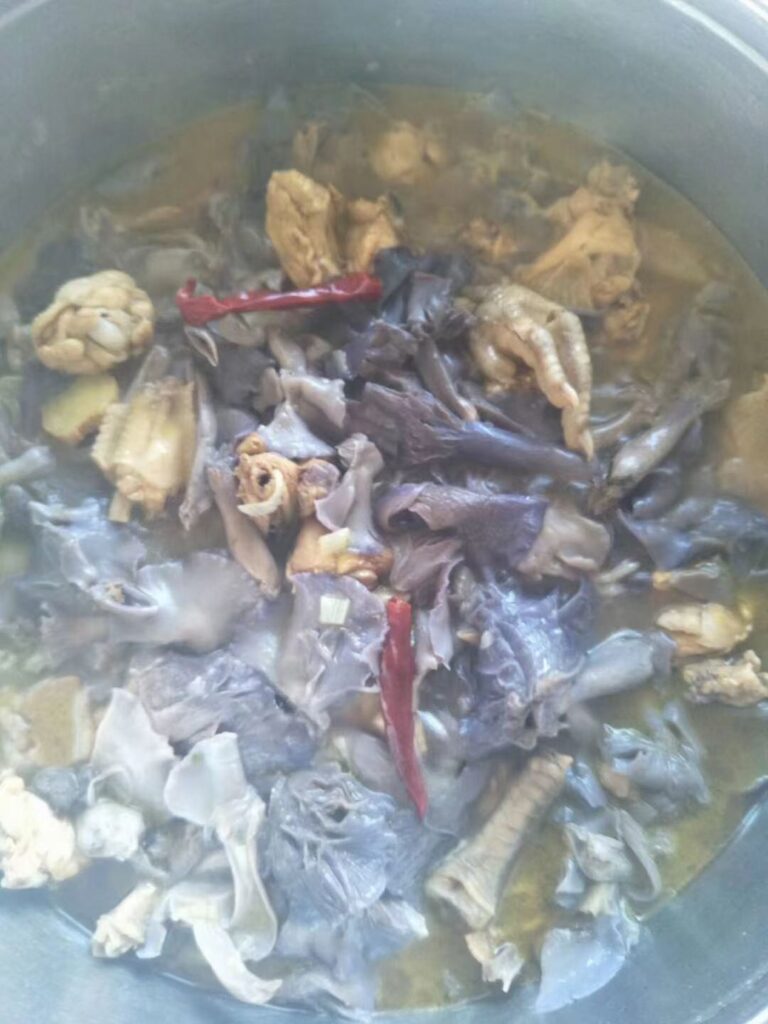
The cultivation roadmap for Purple Flower Mushroom is a structured, five-stage pathway that takes growers from initial spawn selection to final harvest and processing. Whether you are a small-scale farmer or a commercial producer, following a clear technical route—spawn introduction → culture medium preparation → inoculation and spawn run → fruiting management → harvesting and processing—helps ensure stable yields, consistent quality, and efficient use of resources.
In this guide, we’ll walk through each stage of the cultivation roadmap for Purple Flower Mushroom, explain key technical points, and share practical tips for optimizing results.
Table of Contents
- Spawn Introduction: Understanding Purple Flower Mushroom
- Culture Medium Preparation
- Inoculation and Spawn Run
- Fruiting Management
- Harvesting and Processing
- Resources for Growers
<a name=”spawn-introduction-understanding-purple-flower-mushroom”></a>
1. Spawn Introduction: Understanding Purple Flower Mushroom
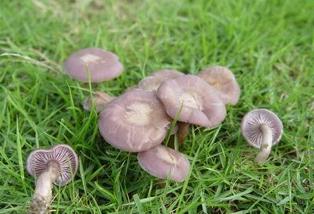
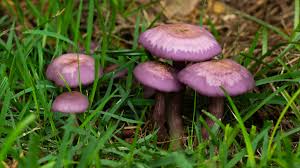
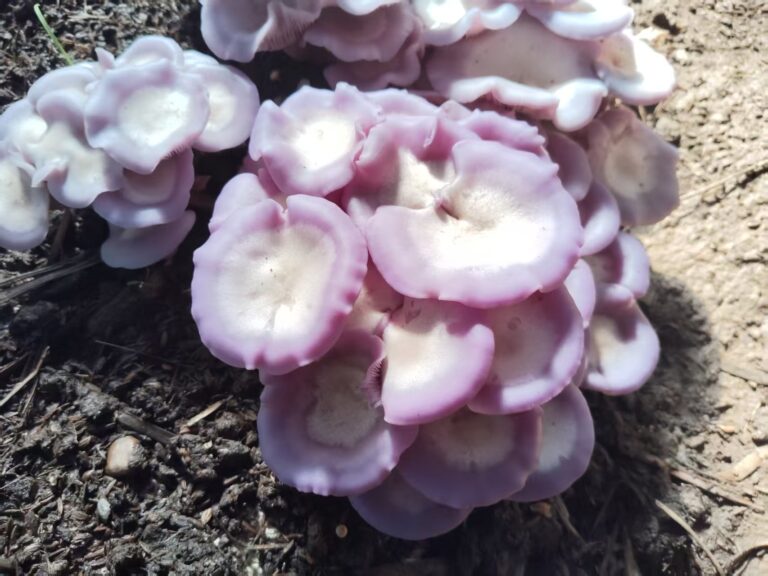
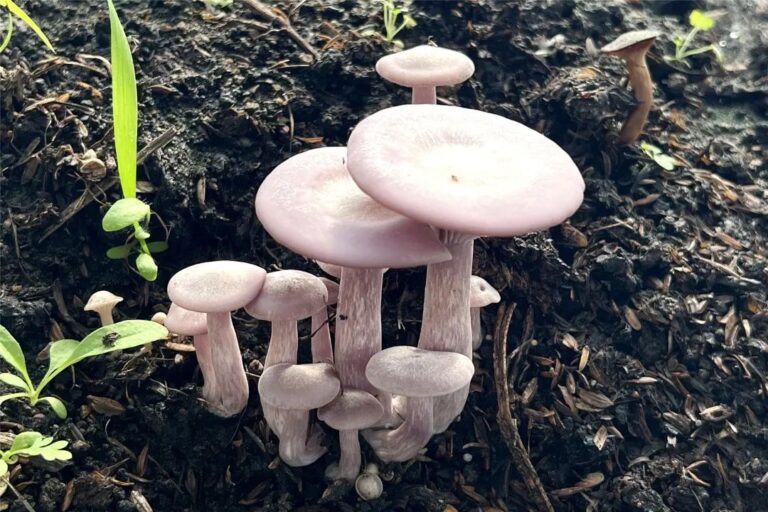
Purple Flower Mushroom is a specialty edible fungus valued for its violet-tinged cap surface and delicate texture. It is closely related to wood-ear types but distinguished by unique pigmentation and growth habits.
Why spawn selection matters in the cultivation roadmap for Purple Flower Mushroom :
- Determines yield potential and disease resistance.
- Influences adaptability to local climate and substrates.
- Affects color development and market appeal.
Choose certified, vigorous spawn from reputable suppliers. Avoid weak or contaminated cultures, as they can undermine the entire production cycle.
Internal link suggestion: How to Select High-Quality Mushroom Spawn
External DoFollow link: https://www.growingmushrooms.org/spawn-selection-guide/
https://example.com/images/purple-flower-mushroom-spawn.jpg
Alt text: cultivation roadmap for Purple Flower Mushroom – spawn introduction
<a name=”culture-medium-preparation”></a>
2. Culture Medium Preparation
A well-formulated substrate is the foundation of the cultivation roadmap for Purple Flower Mushroom Most growers use a sawdust-based medium supplemented with bran, sugar, and gypsum.
Typical formulation:
- Hardwood sawdust (78%)
- Wheat bran (20%)
- Sugar (1%)
- Gypsum (1%)
Key steps:
- Mix ingredients evenly to ensure consistent nutrition.
- Adjust moisture content to 60–65%.
- Fill bags or bottles, leaving space for gas exchange.
- Sterilize at 121°C for 1.5–2 hours (or pasteurize for small batches).
Proper sterilization prevents contamination and supports healthy mycelial colonization.
Internal link suggestion: Substrate Formulations for Specialty Mushrooms
External DoFollow link: https://www.mushroomcouncil.org/how-to-grow-mushrooms/
https://example.com/images/culture-medium-preparation.jpg
Alt text: cultivation roadmap for Purple Flower Mushroom (紫花脸) – culture medium preparation
<a name=”inoculation-and-spawn-run”></a>
3. Inoculation and Spawn Run
Inoculation transfers spawn into the prepared substrate under sterile conditions. This stage is critical in the cultivation roadmap for Purple Flower Mushroom.
Best practices:
- Work in a clean room or laminar flow hood.
- Inoculate promptly after cooling substrates to ~25°C.
- Seal bags to maintain humidity and reduce contamination risk.
Spawn run conditions:
- Temperature: 24–26°C
- Humidity: 60–70%
- Darkness or low light
- Duration: 25–35 days, depending on strain and environment
Monitor daily for signs of contamination (unusual colors, foul odors). Healthy mycelium appears white and uniform.
Internal link suggestion: Managing Spawn Run for High-Yield Mushroom Crops
External DoFollow link: https://www.fungi.com/growing-mushrooms/spawn-run-management
https://example.com/images/inoculation-process.jpg
Alt text: cultivation roadmap for Purple Flower Mushroom (紫花脸) – inoculation and spawn run
<a name=”fruiting-management”></a>
4. Fruiting Management
Once colonization is complete, environmental conditions are adjusted to trigger fruiting—the most visually dynamic part of the cultivation roadmap for Purple Flower Mushroom.
Key adjustments:
- Lower temperature to 18–22°C.
- Increase relative humidity to 85–95%.
- Provide diffuse light (500–1000 lux).
- Ensure fresh air exchange (CO₂ < 1000 ppm).
Fruit bodies typically appear within 7–10 days. Maintain consistent conditions to support even development and vibrant coloration.
Internal link suggestion: Optimizing Fruiting Conditions for Specialty Mushrooms
External DoFollow link: https://www.mushroombusiness.com/fruiting-room-management/
https://example.com/images/fruiting-stage.jpg
Alt text: cultivation roadmap for Purple Flower Mushroom (紫花脸) – fruiting management
<a name=”harvesting-and-processing”></a>
5. Harvesting and Processing
Harvest timing affects both quality and shelf life in the cultivation roadmap for Purple Flower Mushroom.
Harvest indicators:
- Caps fully expanded but not flattening.
- Edges still slightly curled inward.
- Flesh firm and moist.
Post-harvest handling:
- Trim base debris.
- Sort by size and quality.
- Refrigerate fresh mushrooms at 2–4°C.
- For dried products, use controlled-temperature drying (45–55°C) to preserve color and aroma.
Proper processing adds value and extends market reach.
Internal link suggestion: Mushroom Drying and Storage Best Practices
External DoFollow link: https://www.postharvest.org/mushroom-handling/
https://example.com/images/harvesting-mushrooms.jpg
Alt text: cultivation roadmap for Purple Flower Mushroom – harvesting and processing
<a name=”resources-for-growers”></a>
Resources for Growers
- Internal: Beginner’s Guide to Growing Specialty Mushrooms
- Internal: Troubleshooting Common Mushroom Contamination Issues
- External: Mushroom Cultivation Handbook