Lepista Sordida: The Complete Guide to the Sordid Blewit Mushroom
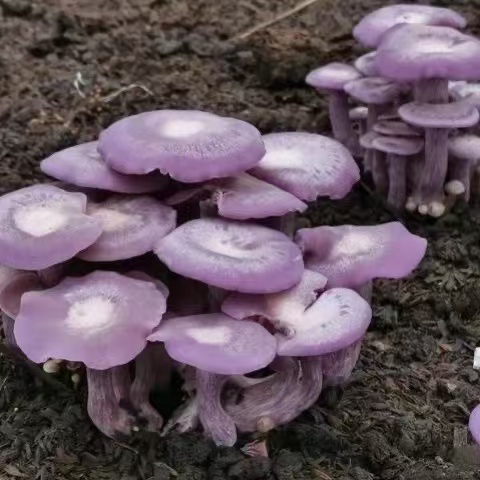
Often called the “Sordid Blewit” or “Dirty Blewit,” Lepista sordidais a fascinating edible fungus known for its vibrant color and culinary potential. While closely related to the more common Wood Blewit (Lepista nuda), this species has distinct characteristics that make it a unique find for foragers and mycologists. This guide covers its identification, habitat, and safe harvesting practices.
Identification: Recognizing the Sordid Blewit
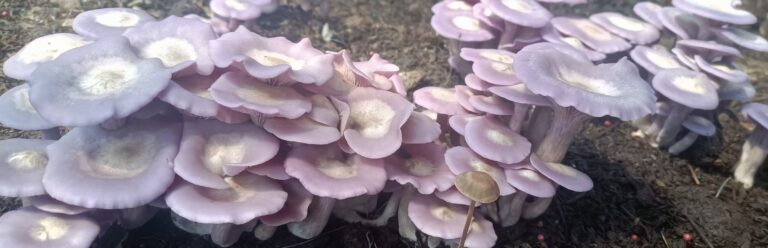
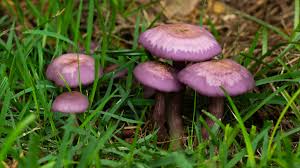
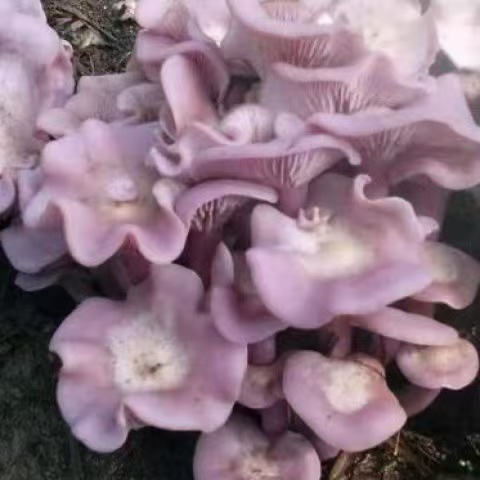
This Lepista Sordida is visually striking. The cap typically measures 3–8 cm in diameter, starting convex and flattening with age. When fresh and moist, it displays a beautiful lilac to violet-blue color, often with a semi-translucent, “water-soaked” appearance near the margin. The gills are crowded and share the same purple hue, fading to pale tan as the mushroom matures. The stem is slender, fibrous, and often curved at the base. A key microscopic feature is its pale pinkish spore print. Unlike its larger relative, L. sordidaoften appears more delicate and grows in dense clusters.
Habitat, Distribution, and Foraging Season
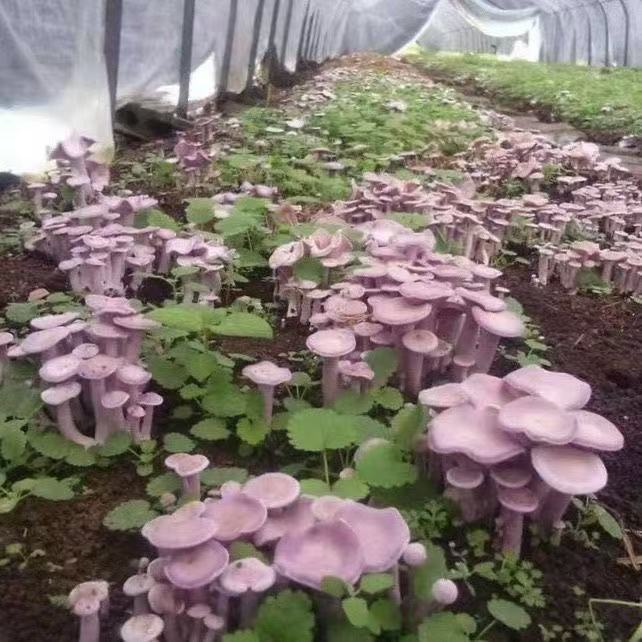
Lepista Sordida a saprobic species, meaning it decomposes organic matter. It thrives in nutrient-rich soils, commonly found in grasslands, forest edges, gardens, and even on compost piles. It frequently fruits in large groups or fairy rings. This species is widely distributed across the Northern Hemisphere, with significant populations in China , Europe, and parts of North America. The primary foraging season runs from late summer through autumn, often continuing into early winter if conditions are mild.
Culinary Uses and Critical Safety Notes
This Lepista Sordida is highly regarded for its delicate flavor and aroma, which is often described as floral or fruity. It is excellent in soups, stews, and sautés. However, strict safety rules apply:
- Cook Thoroughly: Like all Lepistaspecies, it must be cooked thoroughly before consumption. Eating it raw can cause severe gastrointestinal distress.
- Beware of Look-Alikes: The most significant risk comes from toxic purple species in the Cortinariusgenus. Always check for a pink spore print and the absence of a cobweb-like veil (cortina). Cortinariusspecies have rusty-brown spores.
- Start Small: If you are trying it for the first time, consume a small portion to ensure you do not have an individual sensitivity.
Distinguishing from Similar Species
The most common confusion is with the Wood Blewit (Lepista nuda). L. nudais generally larger, stockier, and has a more robust stem. L. sordidais typically smaller, more slender, and grows in tighter clusters. Another look-alike is the Amethyst Deceiver (Laccaria amethystina), which is smaller, has a more uniformly purple color that doesn’t fade as much, and has much thicker, more widely spaced gills.
The Sordid Blewit is a rewarding find for any mushroom enthusiast. Its striking appearance and pleasant taste make it a worthwhile target, but its enjoyment is entirely dependent on meticulous identification and proper cooking.
Internal Link: For more on related species, read our detailed profile on the Wood Blewit (Lepista nuda).
External Resource: For scientific classification and detailed imagery, visit the Mycological Society of America.